- PCD Tools For Wood
- Replaceable Insert Router Bits
- CNC End Mill
- Cutter Head
- Woodworking Tools
- Industries Knives
- Carbide Burr
- Carbide Rotary Burr
- Tungsten Carbide Burr Bits
- Tungsten Carbide Burr Set
- Cylindrical Carbide Burr
- Long Shank Carbide Burr
- Double Cut Carbide Burr
- Flame Carbide Burr
- Cone Carbide Burr
- Burr Blanks
- Carbide Rods
- Tire Reamer Bit
- Tungsten Carbide End Mill
- Carbide Tire Studs
- Snow Tire Studs
- ATV Tire Studs
- Motorcycle Tire Studs
- Mining & Oiling






Design and Construction
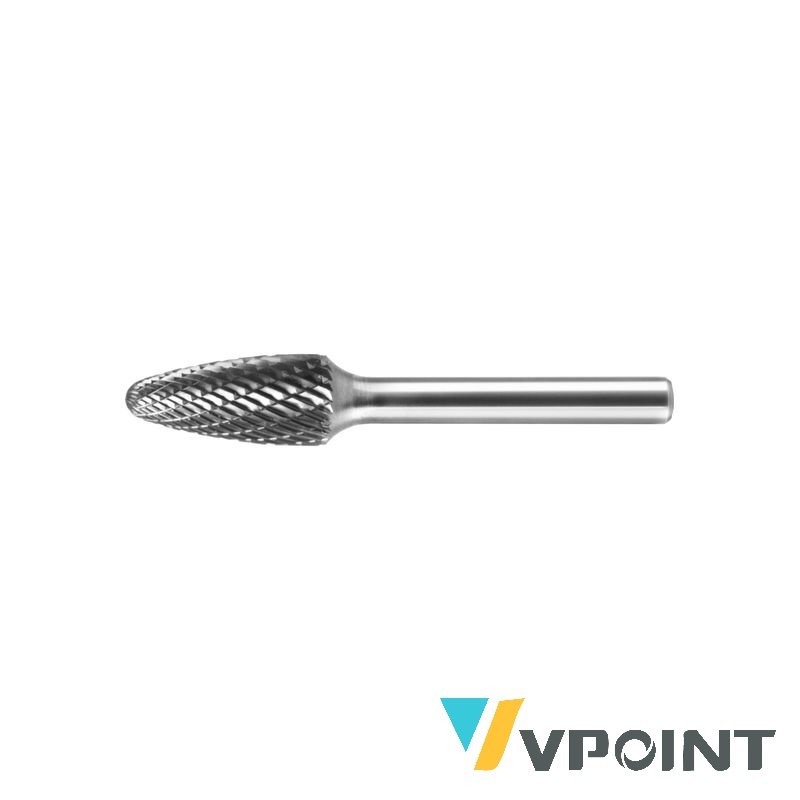
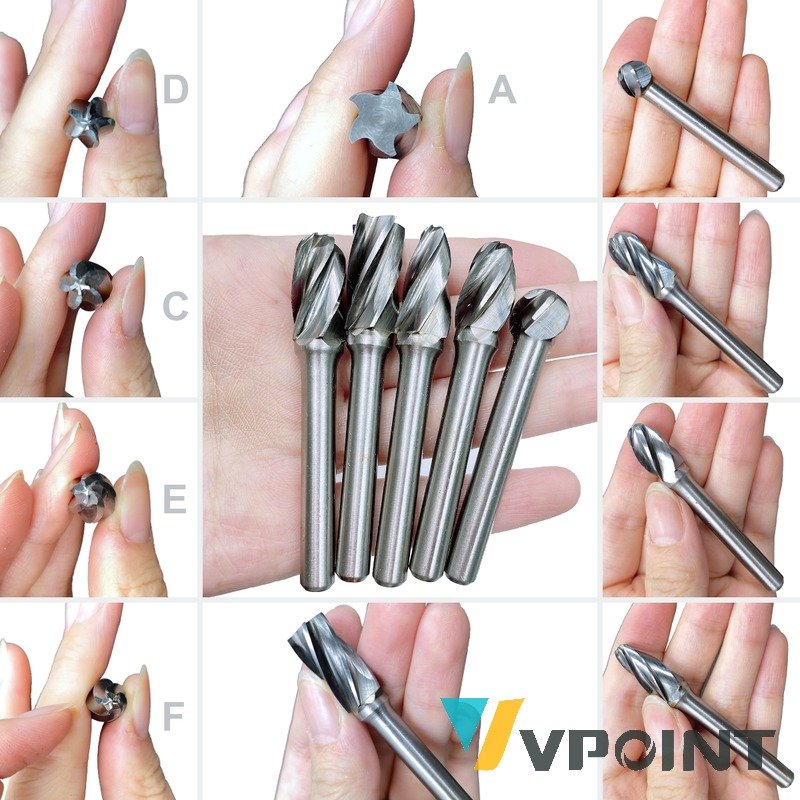
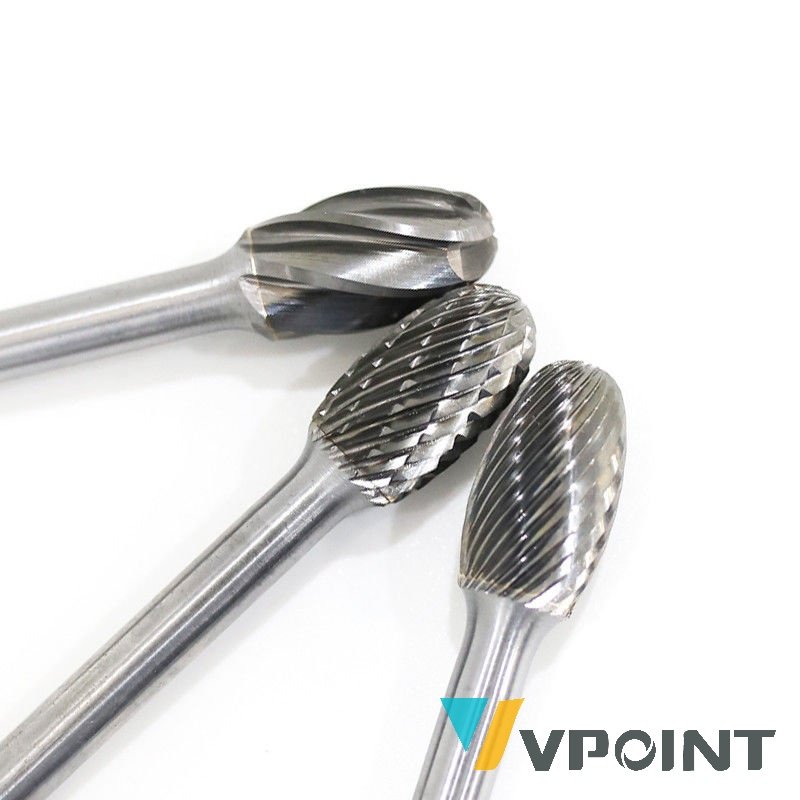
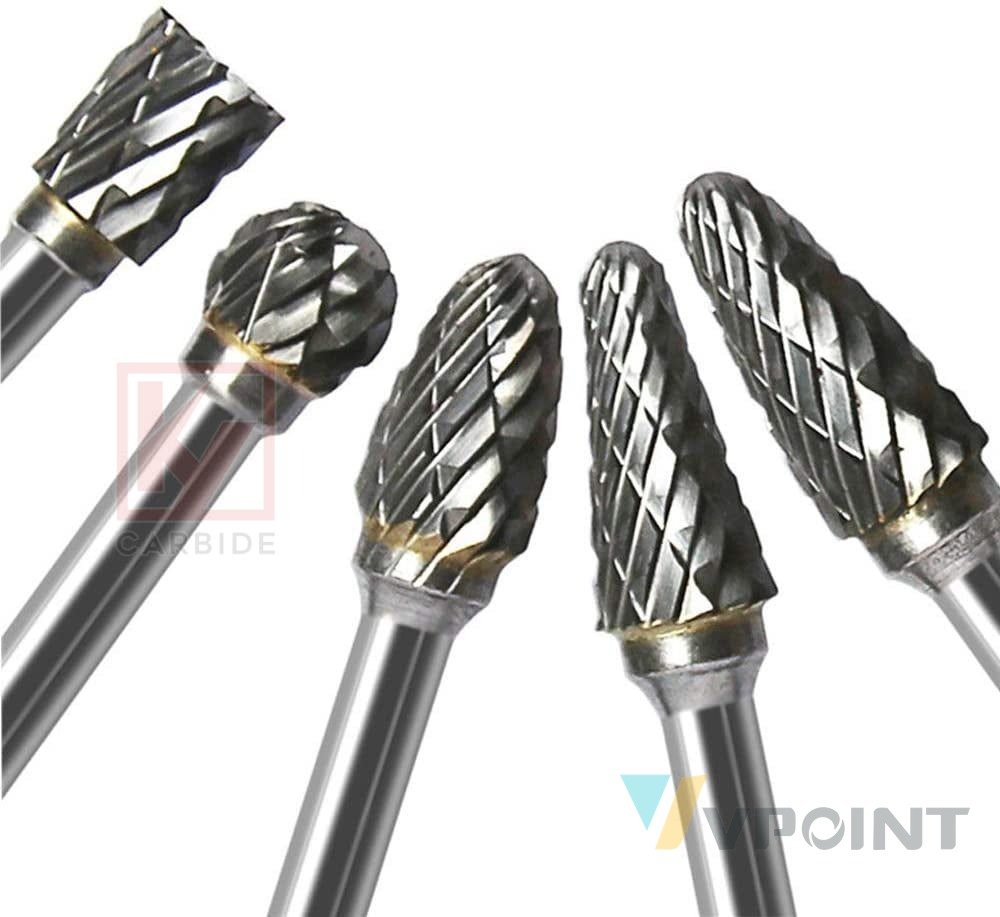
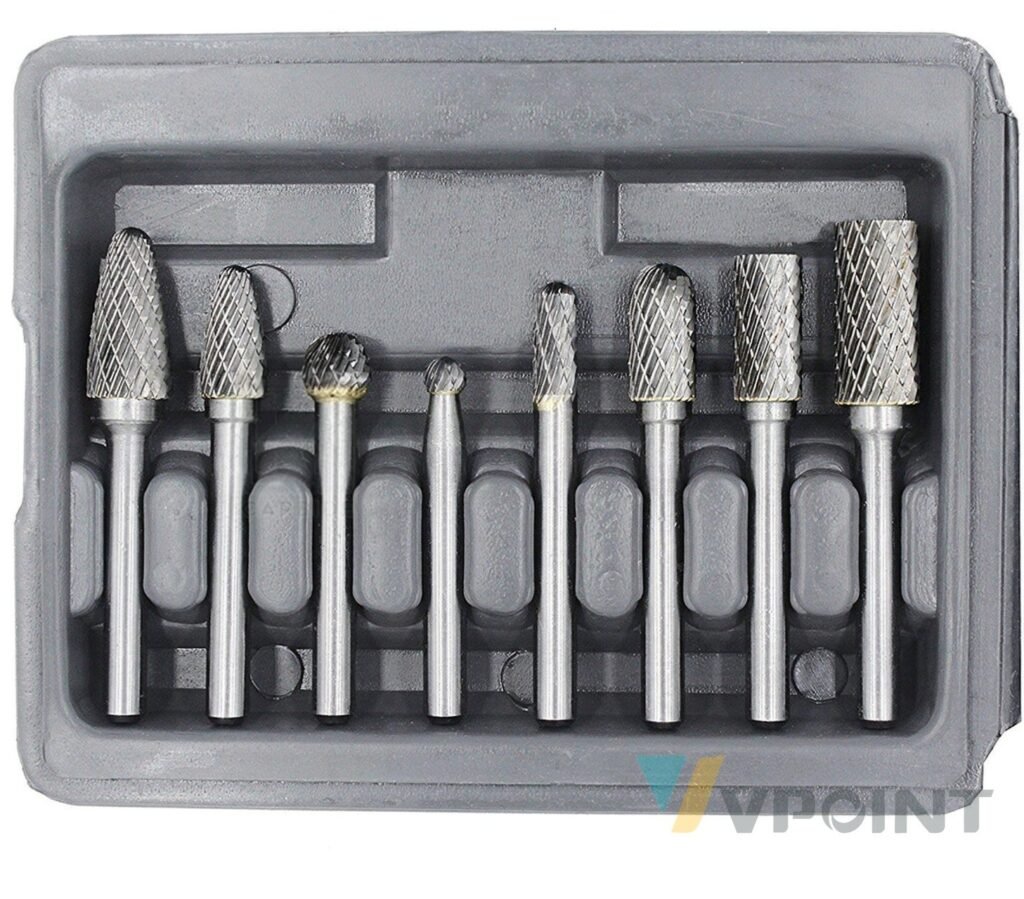
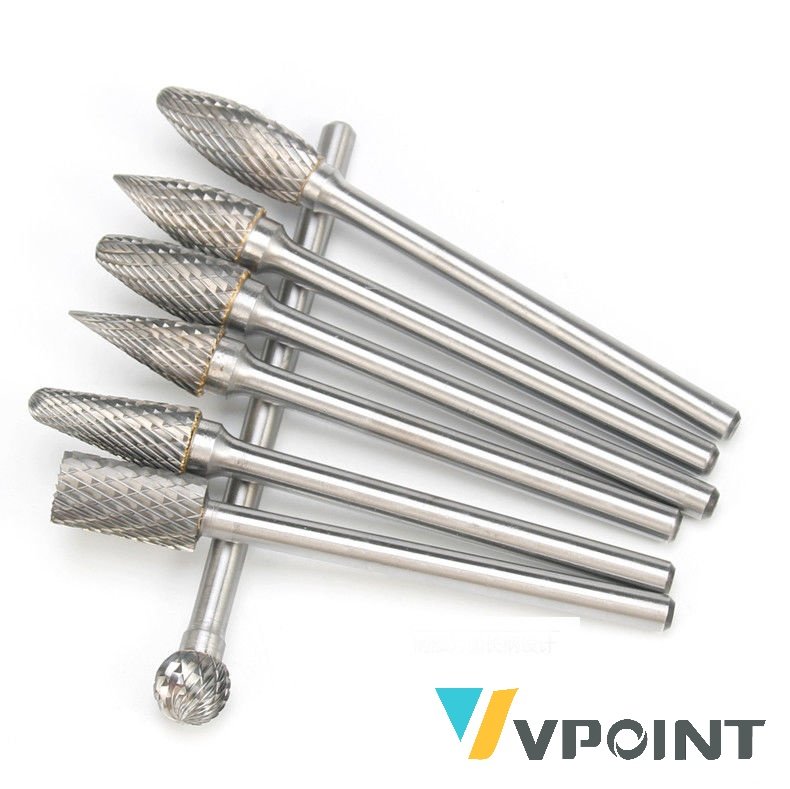
A reliable long-shank carbide burr with a radius (ball-style) end, supplied across the common long-shank head families. The rounded end produces a smooth transition where a cavity wall meets its floor, without the sharp notch a square-ended tool leaves.
How It Works
A radius end distributes contact over a curved surface, so it blends an internal fillet instead of cutting a step. On a long shank the round end also tolerates slight angular variation better than a pointed head, which reduces the chance of digging in.
Applications
Deep cavity fillet blending, rounded pocket bottoms, mould radius work, cast corner radiusing.
Field Cases
- Die shop: internal fillets blended in a deep pocket without a sharp step at the floor.
- Foundry: rounded cast corners dressed without the digging seen with a pointed head.
- Mould maintenance: radius transitions refreshed on a long-reach setup.
Performance Data
| Metric | Value / Observation |
|---|---|
| End geometry | Radius / ball end |
| Construction | Long shank, brazed carbide head |
| Primary feature | Internal fillet and rounded bottom |
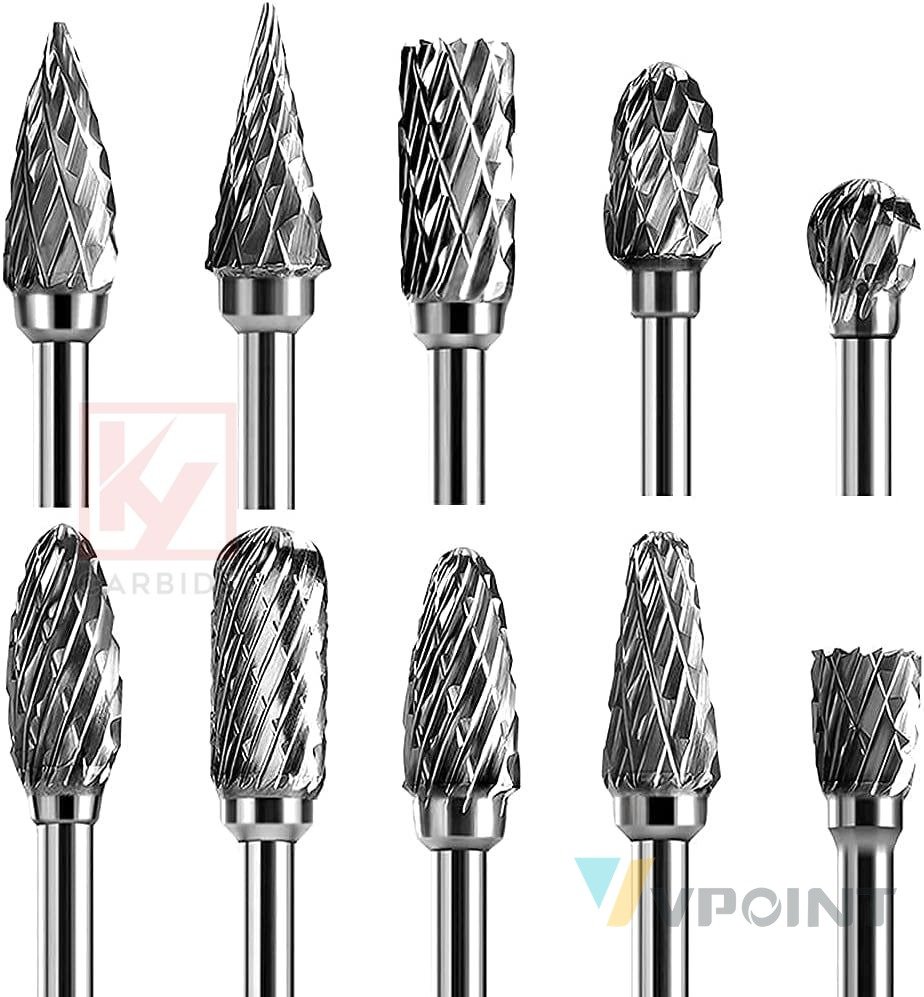
| Head families | Cylinder, tree, cone, ball, flame |
Suitable Materials
Cast iron, carbon and alloy steel, stainless steel, aluminium and tool steel.
Material Comparison: Radius End vs Pointed vs Square End at a Cavity Floor
End geometry at the bottom of a deep cavity. Typical industry practice:
| Factor | Radius End (this tool) | Pointed End | Square End |
|---|---|---|---|
| Floor-wall transition | Smooth blend | V-shaped groove | Sharp 90-degree step |
| Stress concentration | Lowest | Moderate | Highest |
| Tendency to dig in | Lowest | Highest | Low |
| Sensitivity to tool angle | Low | High | Moderate |
| Surface left | Continuous radius | Grooved | Flat with sharp corner |
| Best feature | Fillet / rounded bottom | Narrow groove | Flat pocket floor |
Delivery Scope
Single burr; radius size, head shape and reach confirmed with the order.
Why Choose VPOINT
A radius end is chosen for the feature it produces, not simply as another head shape in a set.
Precision & Quality Control
End radius, braze concentricity and head runout verified per lot with ISO 9001 batch traceability.
Specifications
Published specification:
| Item | Specification |
|---|---|
| Type | Long shank radius end burr |
| End geometry | Radius / ball |
| Construction | Brazed carbide head |
| Head families | Cylinder, tree, cone, ball, flame |
| Workpiece | Cast iron, steel, stainless, aluminium |
| Inspection | Per-lot end radius and runout |
Frequently Asked Questions
What does the radius end produce?
A smooth floor-wall blend instead of a sharp 90-degree step.
Why not a pointed head?
A pointed head tends to dig in and leaves a V-shaped groove at the floor.
Is it less sensitive to tool angle?
Yes – the rounded end tolerates slight angular variation on a long shank.
Which materials?
Cast iron, carbon and alloy steel, stainless, aluminium and tool steel.
Is the radius verified?
Yes, end radius and head runout are checked per lot.
Related Search Terms
radius end long shank burr, ball end extended burr, deep cavity fillet tool, rounded pocket bottom burr, mould radius carbide burr, cast corner radiusing, fillet blending die grinder, long reach ball burr, radius vs square end burr, dig in prevention burr, extended shank ball nose, internal fillet rotary file, radius transition tool, deep pocket blending, long shank round end