- PCD Tools For Wood
- Replaceable Insert Router Bits
- CNC End Mill
- Cutter Head
- Woodworking Tools
- Industries Knives
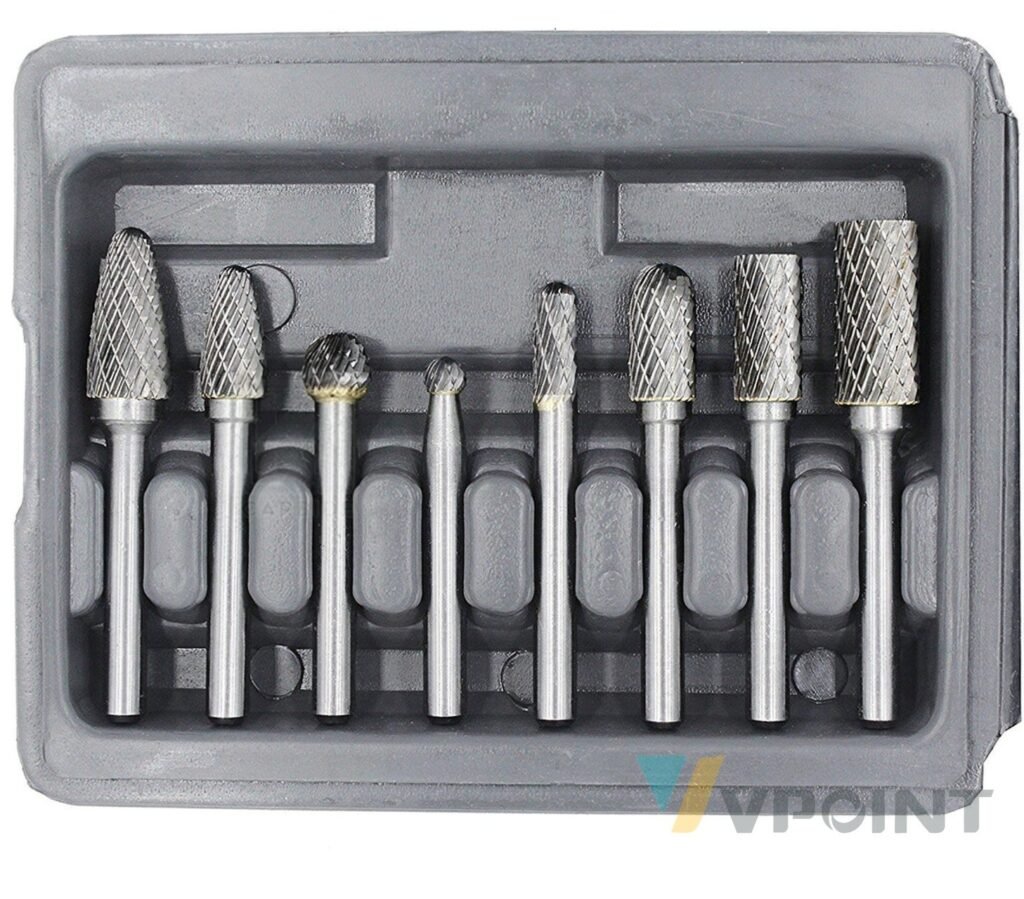
- Carbide Burr
- Carbide Rotary Burr
- Tungsten Carbide Burr Bits
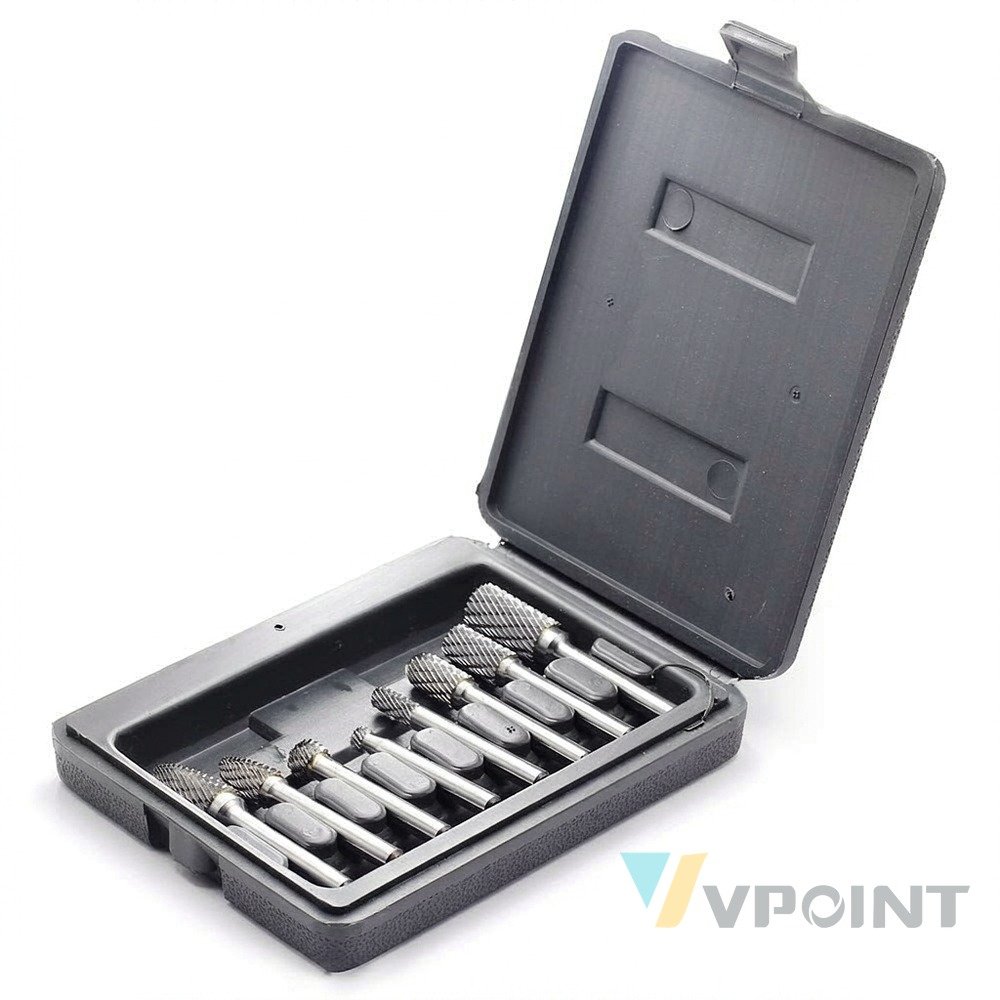
- Tungsten Carbide Burr Set
- Cylindrical Carbide Burr
- Long Shank Carbide Burr
- Double Cut Carbide Burr
- Flame Carbide Burr
- Cone Carbide Burr
- Burr Blanks
- Carbide Rods
- Tire Reamer Bit
- Tungsten Carbide Particles
- Carbide Composite Rods
- Tungsten Carbide End Mill
- Carbide Tire Studs
- Snow Tire Studs
- ATV Tire Studs
- Motorcycle Tire Studs
- Mining & Oiling





Design and Construction
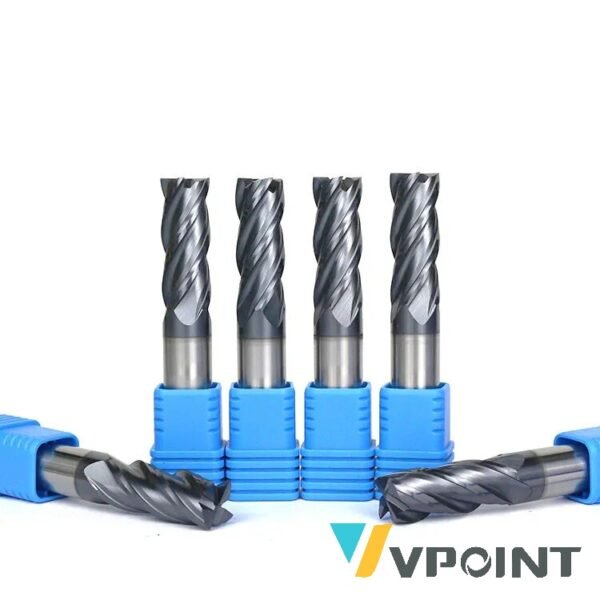
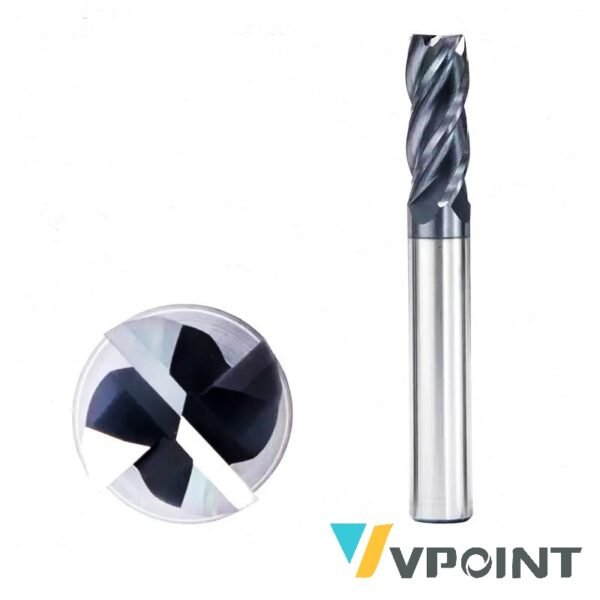
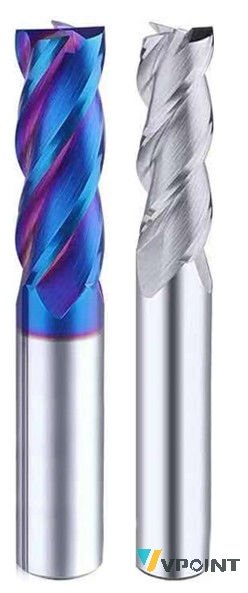
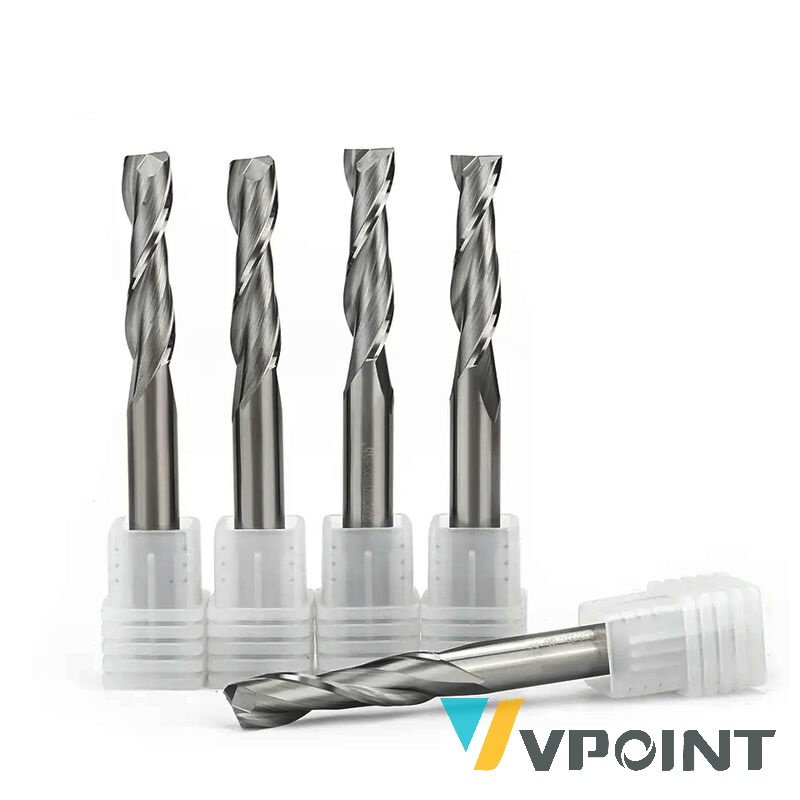
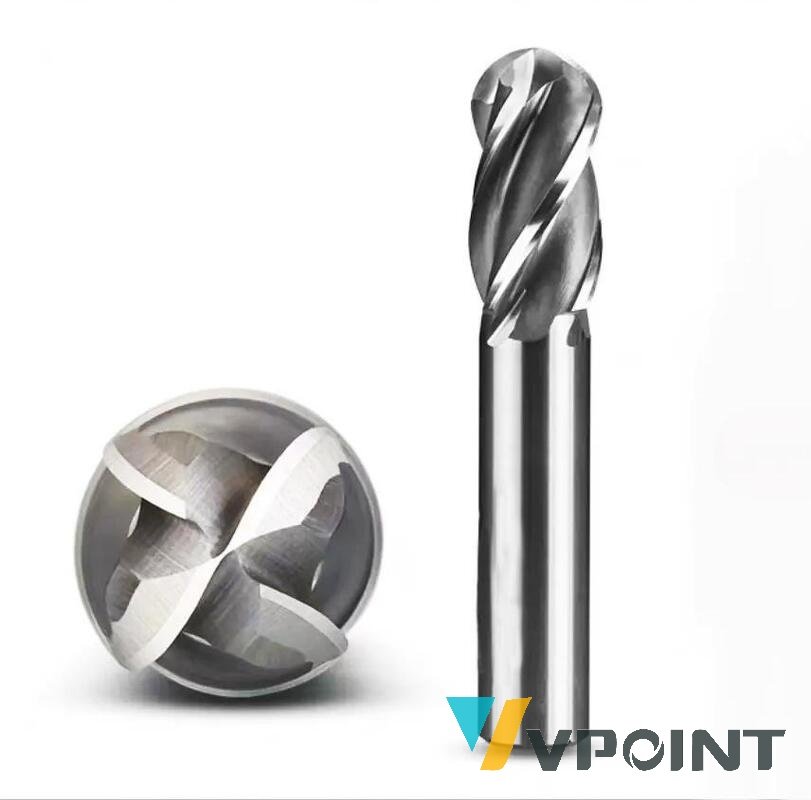
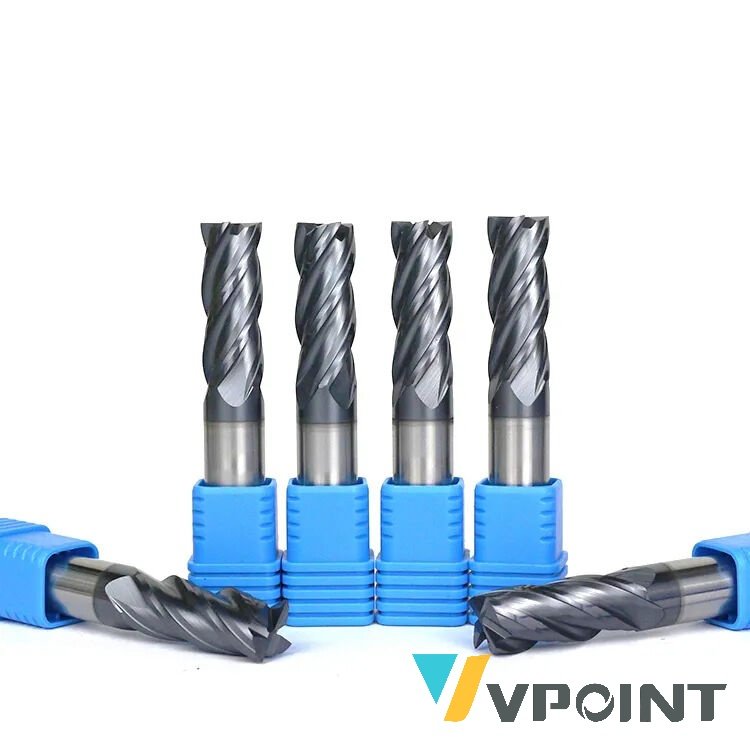
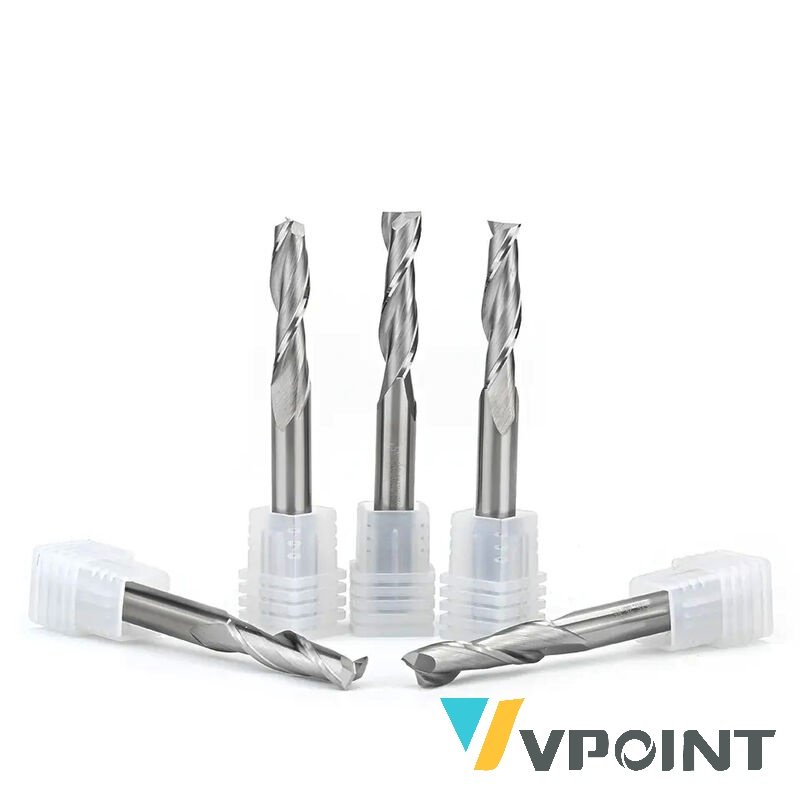
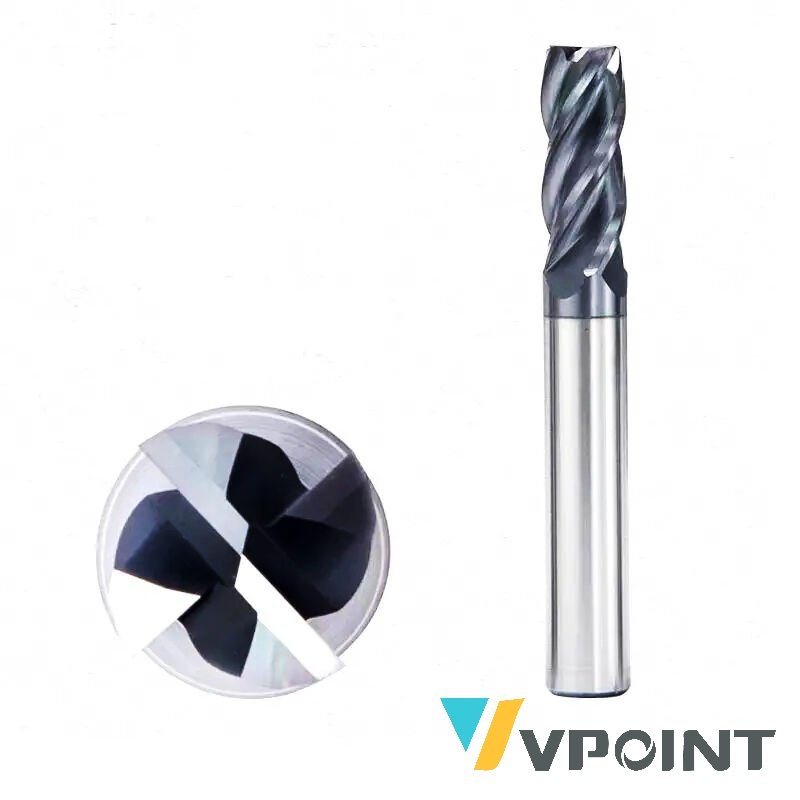
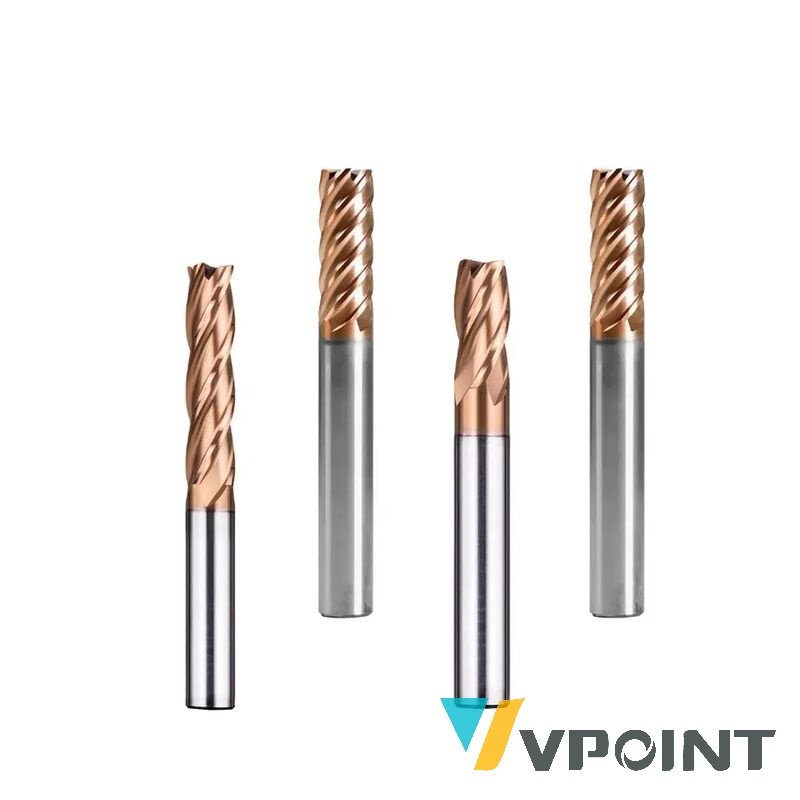
A solid tungsten carbide CNC milling cutter for precision steel machining, specified for slotting and profiling. Tool overhang is treated as a first-order parameter because deflection grows rapidly with the length-to-diameter ratio.
How It Works
Deflection scales roughly with the cube of overhang. At 3 times diameter the tool is stiff; at 5 times diameter engagement must be reduced; beyond that, chatter and taper on the wall become the limiting factors rather than cutting speed.
Applications
Precision steel slotting, profiling, deep-wall features, long-reach setups, mould and fixture work.
Field Cases
- Mould shop: reducing overhang removed the taper on a deep slot wall.
- Precision cell: a 5D overhang ran reliably after radial engagement was reduced.
- Fixture maker: long-reach profiling finished without a special extended tool.
Performance Data
| Metric | Value / Observation |
|---|---|
| Construction | Solid tungsten carbide |
| Duty | Precision slotting + profiling |
| Key parameter | Overhang / L:D ratio |
| Guidance bands | 3D / 5D / 8D+ |
Suitable Materials
Carbon and alloy steel, stainless steel, cast iron in precision machining.
Material Comparison: Overhang 3D vs 5D vs 8D+ in Steel
How reach changes the cut. Typical industry data; machine and holder rigidity also apply:
| Factor | 3D Overhang | 5D Overhang | 8D+ Overhang |
|---|---|---|---|
| Relative deflection | Baseline | ~4-5x higher | >10x higher |
| Practical radial engagement | Nominal | Reduced | Minimal |
| Wall straightness | Best | Good with reduced load | Taper likely |
| Chatter risk | Low | Moderate | High |
| Feed per tooth | Nominal | Reduced | Strongly reduced |
| Typical use | General slotting | Deep pockets | Long-reach finishing only |
Delivery Scope
Single end mill; diameter, flute count and usable length confirmed with the order.
Why Choose VPOINT
Overhang is stated as a working limit, because reach changes the cut more than most speed adjustments.
Precision & Quality Control
Shank concentricity, edge geometry and runout verified per lot with ISO 9001 batch traceability.
Specifications
Published specification:
| Item | Specification |
|---|---|
| Type | Precision steel slotting end mill |
| Material | Solid tungsten carbide |
| Key parameter | Overhang L:D ratio |
| Duty | Slotting, profiling |
| Workpiece | Carbon / alloy steel, stainless, cast iron |
| Inspection | Per-lot concentricity check |
Frequently Asked Questions
Why does overhang matter so much?
Deflection grows roughly with the cube of overhang, so small increases in reach create large changes in load.
What engagement at 5D?
Reduce radial engagement and feed per tooth; the wall stays straighter.
Can I mill a deep wall with a long tool?
Yes at light engagement, but taper and chatter become the limits.
Which materials?
Carbon and alloy steel, stainless steel and cast iron.
Is concentricity checked?
Yes, shank concentricity and runout are verified per lot.
Related Search Terms
long overhang end mill, tool deflection L/D ratio, precision steel slotting cutter, solid tungsten carbide CNC mill, deep pocket end mill steel, overhang chatter milling, 3D 5D overhang, wall taper milling, long reach profiling tool, mould slotting end mill, precision profiling carbide, shank concentricity end mill, steel machining rigidity, reduced radial engagement, CNC precision slot mill