- PCD Tools For Wood
- Replaceable Insert Router Bits
- CNC End Mill
- Cutter Head
- Woodworking Tools
- Industries Knives
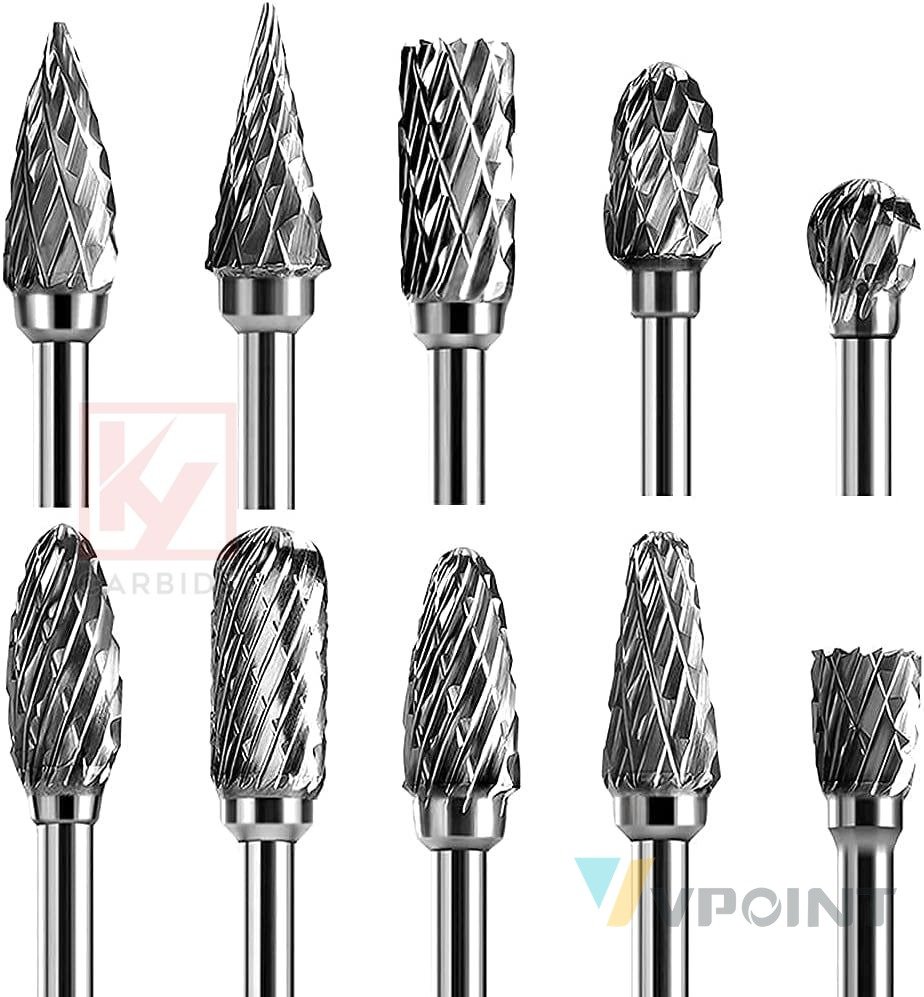
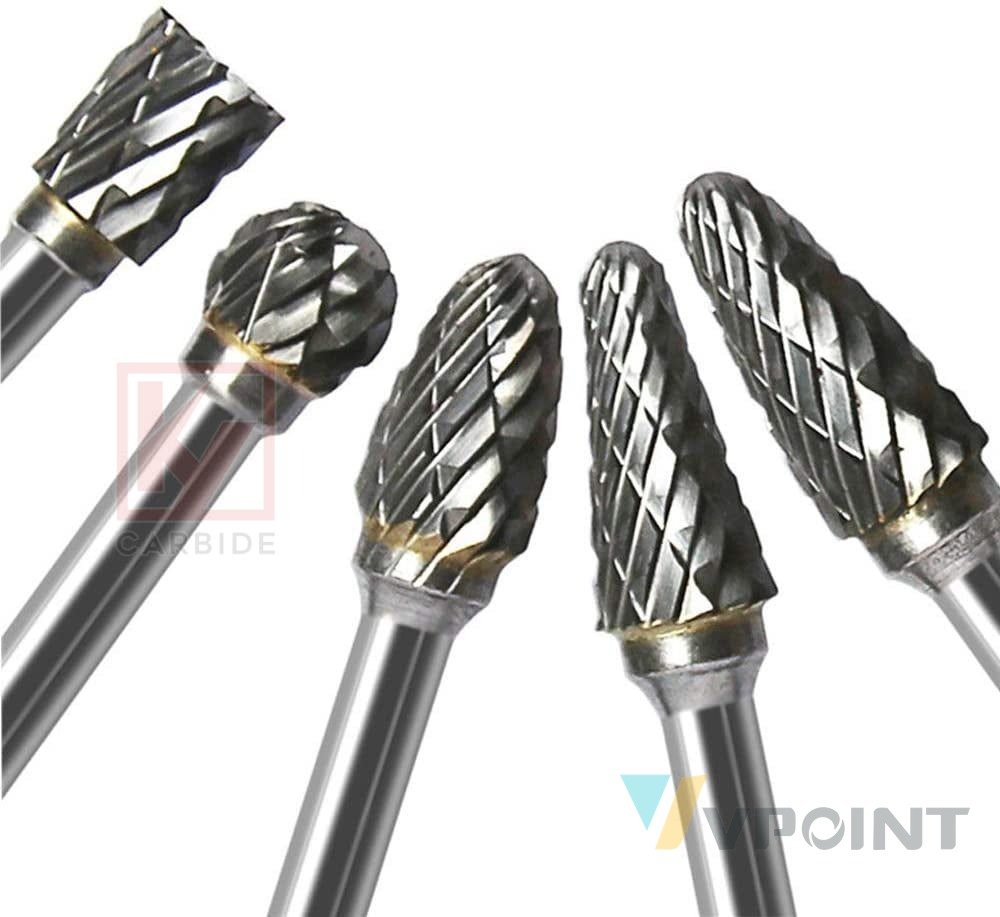
- Carbide Burr
- Carbide Rotary Burr
- Tungsten Carbide Burr Bits
- Tungsten Carbide Burr Set
- Cylindrical Carbide Burr
- Long Shank Carbide Burr
- Double Cut Carbide Burr
- Flame Carbide Burr
- Cone Carbide Burr
- Burr Blanks
- Carbide Rods
- Tire Reamer Bit
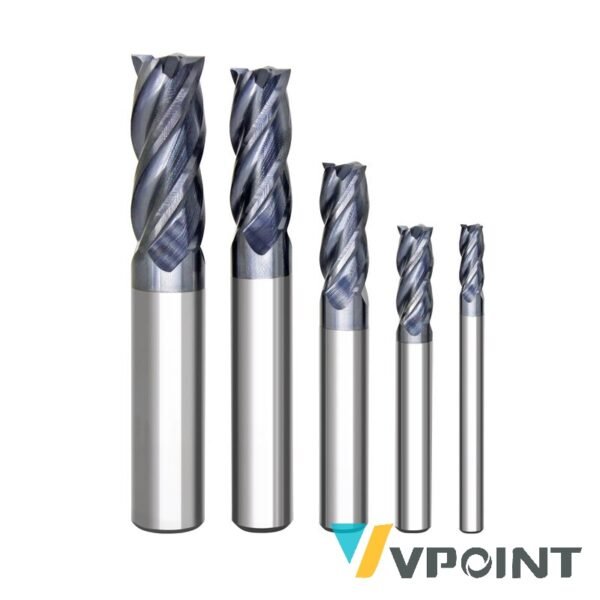
- Tungsten Carbide End Mill
- Carbide Tire Studs
- Snow Tire Studs
- ATV Tire Studs
- Motorcycle Tire Studs
- Mining & Oiling




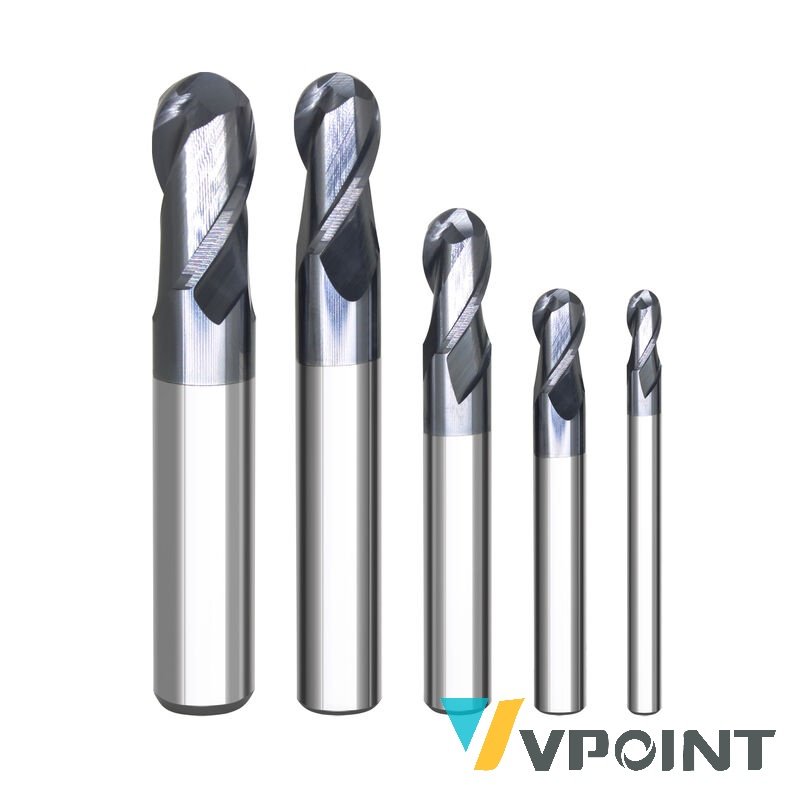
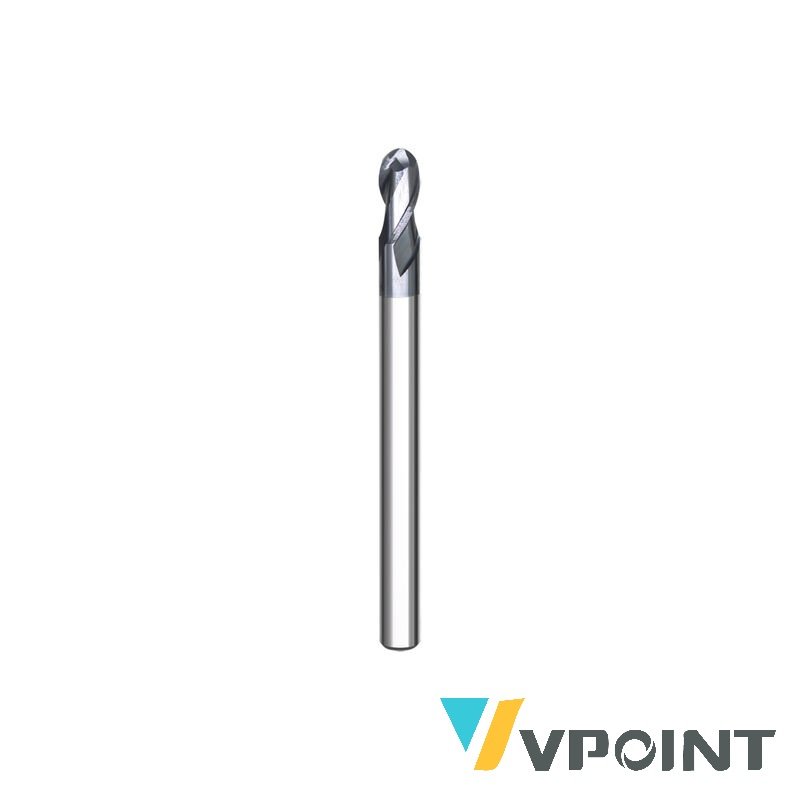
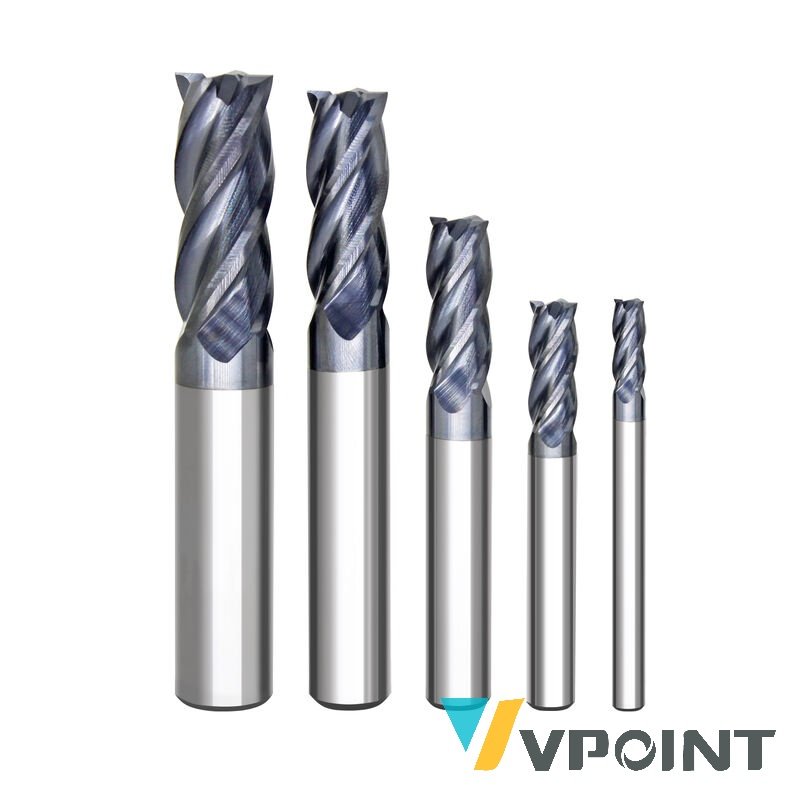
Design and Construction
A solid carbide milling cutter for CNC metalworking that handles side milling, slotting and surface finishing. The design assumes radial engagement (ae) is set deliberately for each operation rather than using one depth for everything.
How It Works
Radial engagement sets chip thickness, heat and deflection. A light ae leaves the cutter cool and stable for finishing; a wide ae removes volume but increases load. Axial depth (ap) can be increased when ae is reduced, which is the basis of high-efficiency side milling.
Applications
Side milling, slotting, surface finishing, high-efficiency roughing with light radial engagement.
Field Cases
- Machine shop: shallow ae with a deep ap removed stock faster than a full-width slotting pass.
- Jobbing cell: one cutter covered roughing and finishing by changing only the engagement.
- Plate work: side milling held a straight wall over a long pass.
Performance Data
| Metric | Value / Observation |
|---|---|
| Operations | Side milling + slotting + finishing |
| Construction | Solid carbide |
| Key parameter | Radial engagement (ae) |
| Typical ae bands | 0.1D / 0.5D / 1D |
Suitable Materials
Carbon and alloy steel, stainless steel, cast iron, aluminium.
Material Comparison: Radial Engagement 0.1D vs 0.5D vs 1D
How ae changes the cut. Typical industry data; adjust for machine rigidity and material:
| Factor | ae = 0.1D | ae = 0.5D | ae = 1D (full slot) |
|---|---|---|---|
| Chip thickness | Thin | Moderate | Thick |
| Heat in the tool | Lowest | Moderate | Highest |
| Deflection | Lowest | Moderate | Highest |
| Allowable axial depth | Deepest | Moderate | Shallowest |
| Chip evacuation | Easy | Moderate | Demanding |
| Best use | Finishing / high-efficiency roughing | General side milling | Full slotting |
Delivery Scope
Single end mill; diameter and flute count confirmed with the order.
Why Choose VPOINT
Radial engagement is published as a working parameter, not left to operator habit.
Precision & Quality Control
Diameter, edge hone and shank runout verified per lot with full batch traceability.
Specifications
Published specification:
| Item | Specification |
|---|---|
| Type | Solid carbide milling cutter |
| Operations | Side milling, slotting, finishing |
| Key parameter | Radial engagement ae |
| Workpiece | Steel, stainless, cast iron, aluminium |
| Construction | Solid carbide |
| Inspection | Per-lot runout check |
Frequently Asked Questions
What is radial engagement (ae)?
The width of the cutter engaged in the workpiece, usually expressed as a fraction of diameter D.
Why use a light ae with a deep ap?
It lowers heat and deflection, allowing a deeper axial cut and often a higher removal rate.
Can one tool rough and finish?
Yes – change the engagement and chip load rather than the cutter.
Which materials?
Carbon and alloy steel, stainless, cast iron and aluminium.
Is full-width slotting supported?
Yes, at reduced axial depth and feed, with good chip evacuation.
Related Search Terms
side milling end mill, radial engagement ae, high efficiency milling, slotting and finishing cutter, solid carbide side mill, 0.1D stepover, chip thinning end mill, CNC metalworking cutter, axial depth of cut, surface finishing side mill, full slot milling tool, ae ap parameters, carbide side milling cutter, light radial engagement, deep axial cut end mill