- PCD Tools For Wood
- Replaceable Insert Router Bits
- CNC End Mill
- Cutter Head
- Woodworking Tools
- Industries Knives
- Carbide Burr
- Carbide Rotary Burr
- Tungsten Carbide Burr Bits
- Tungsten Carbide Burr Set
- Cylindrical Carbide Burr
- Long Shank Carbide Burr
- Double Cut Carbide Burr
- Flame Carbide Burr
- Cone Carbide Burr
- Burr Blanks
- Carbide Rods
- Tire Reamer Bit
- Tungsten Carbide Particles
- Carbide Composite Rods
- Tungsten Carbide End Mill
- Carbide Tire Studs
- Snow Tire Studs
- ATV Tire Studs
- Motorcycle Tire Studs
- Mining & Oiling




PCD Spiral Router Bit Diamond Compression End Mill for CNC Woodworking
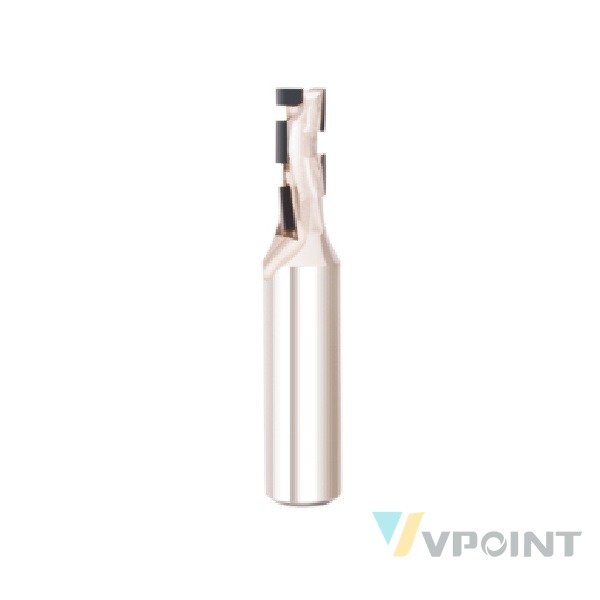
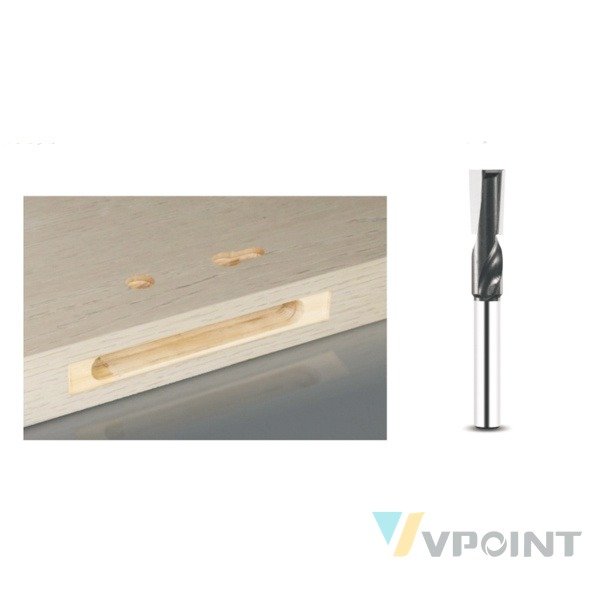
PCD spiral router bit diamond compression end mills handle CNC panel nesting, slotting and compatible bottom-clearing operations on industrial CNC machining centres. The compression layout keeps both panel faces clean through the full cutting height, and configurations are produced to order against the required tool drawing.

Design and Construction
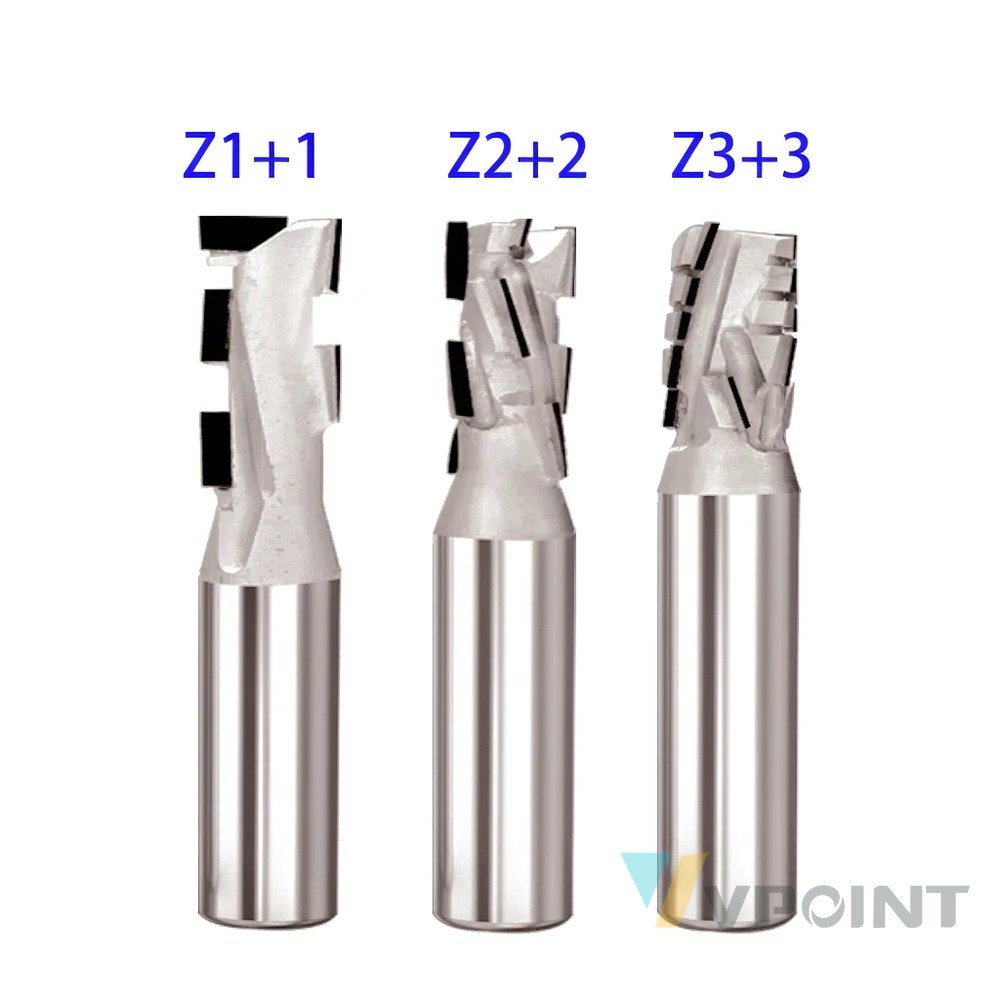
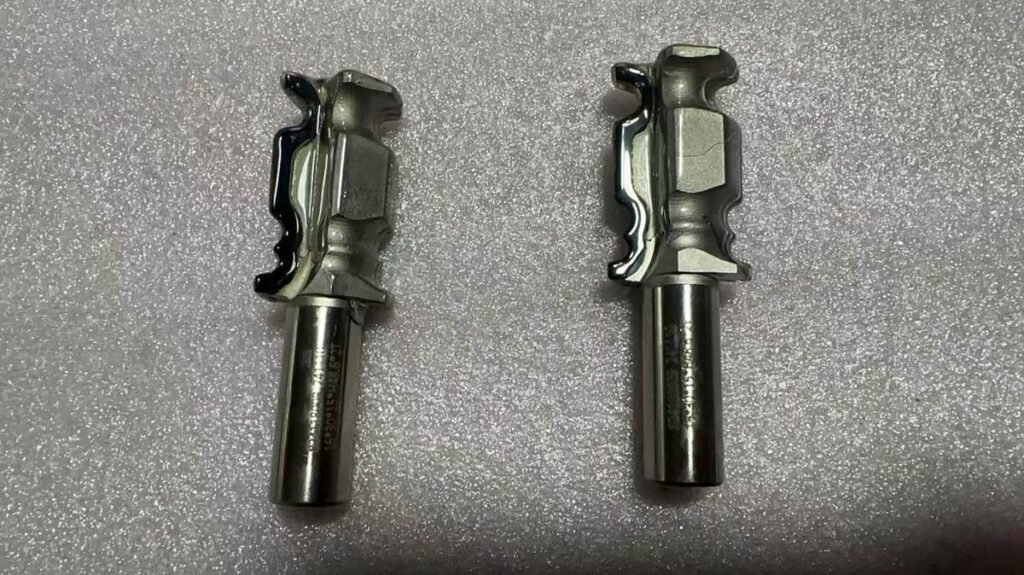
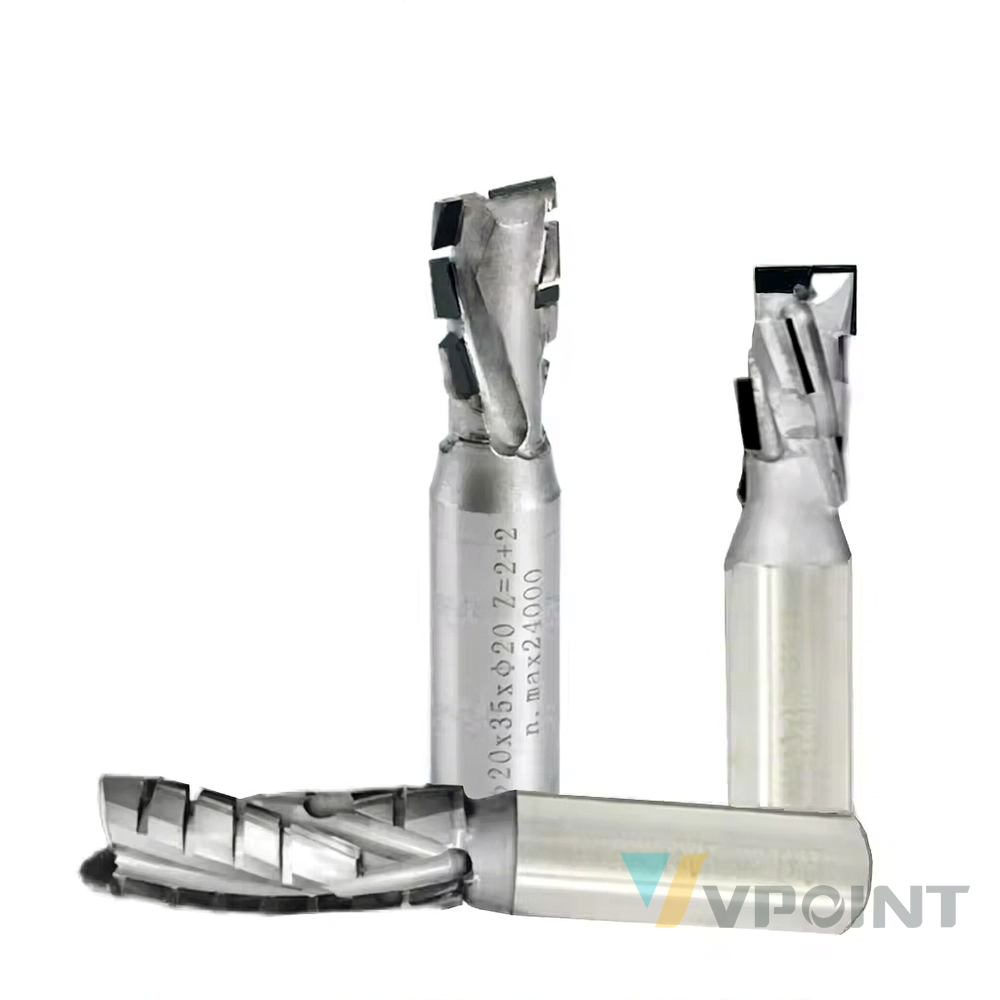
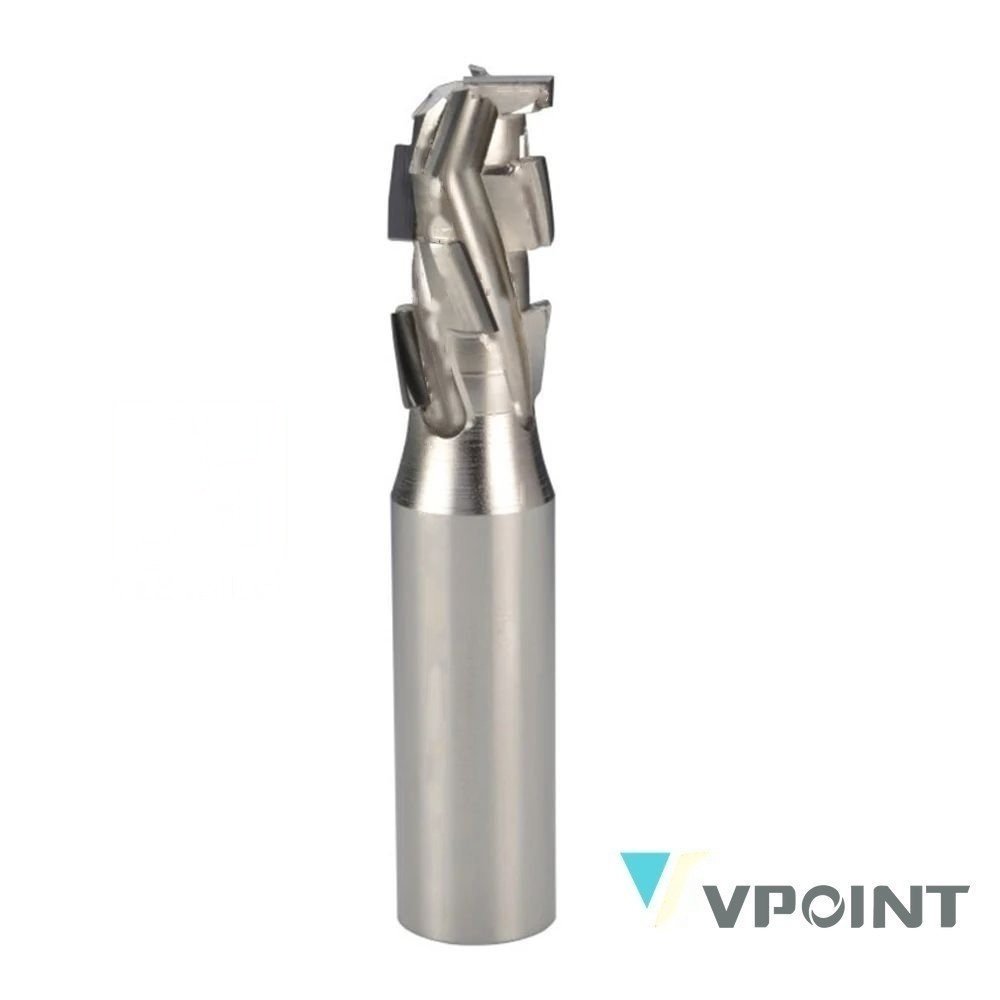
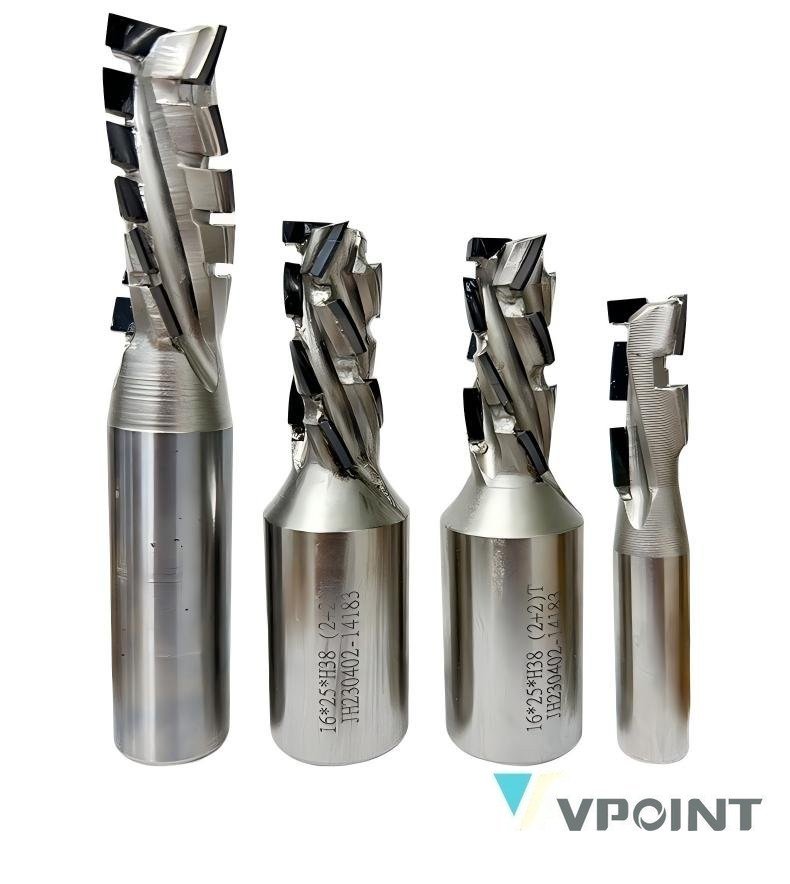
+The spiral flutes carry polycrystalline diamond (PCD) cutting edges brazed onto a 40Cr chrome-molybdenum steel body in a compression arrangement. The tools pictured carry shank markings such as 16*25*H38 (2+2)T and 16*22*H58 (2+2)T, indicating 16 mm cutting diameters with (2+2)Z tooth layouts and different cutting lengths. The series is produced in the Sichuan and Dongguan, China manufacturing bases.
How It Works
+As the tool plunges and traces the nesting path, the lower flutes shear upward and the upper flutes shear downward, pressing chip pressure toward the panel core. Both faces survive a full-depth through cut with clean edges, which suits nested-based manufacturing where every part is cut from a coated panel in one pass. Confirm spindle and collet fit, cutting direction, panel thickness and the required compression layout for the operation.
Applications
- CNC panel nesting, slotting and compatible bottom-clearing operations
- For compatible industrial CNC machining centres
Suitable Materials
- MDF, multilayer plywood, solid-wood panels and blockboard, subject to material review
- Suitability depends on the specific material grade, profile and machining conditions; confirm the application before ordering
Material Comparison: Traditional Brazed Tungsten Carbide vs. Diamond (PCD) Router Bit
+Typical industry data for reference. Actual results depend on the workpiece grade, machine condition and feed rate.
| Property | Traditional Brazed Tungsten Carbide Router Bit | Diamond (PCD) Router Bit |
|---|---|---|
| Cutting material hardness | 1,500–2,000 HV | 7,000–9,000 HV |
| Edge life on MDF / particleboard | Baseline (1×) | 15–20× longer edge life |
| Edge life on solid wood | Baseline (1×) | 10–13× longer edge life |
| Edge life on acrylic | Baseline (1×) | 10–15× longer edge life |
| Regrinding / refurbishing cycles | 2–4 times | 5–8 times |
| Cut edge quality | Ra 0.4–0.8 µm, more fuzzing | Ra 0.2–0.4 µm, cleaner edge |
| Thermal conductivity | ≈ 100 W/m·K | ≈ 500 W/m·K, heat cleared faster |
| Friction coefficient | ≈ 0.3 | ≈ 0.05–0.1, lower cutting force |
| Chipping risk on brittle panels | Higher at high feed | Lower, stable edge at high feed |
| Cost per metre of cutting | Higher over long runs | Lower over long runs |
Delivery Scope
Configurations are produced to order after the tool drawing and quotation are confirmed.
+Each order includes the selected configuration, protective packaging and an inspection record. Send the required dimensions together with panel thickness and the machining task so the compression layout is confirmed before production.
Why Choose VPOINT
+VPOINT supports this series with:
- One-year warranty on every router bit
- Custom and non-standard diameters, cutting heights and shanks produced to order
- Regrinding service to extend tool life
- Factory direct since 2008, ISO 9001 certified
- Dual manufacturing bases in Sichuan and Dongguan, China
Precision & Quality Control
+Every diamond compression end mill is inspected before shipment: cutting diameter, shank diameter, cutting height and tool runout are checked against the specification table at micron level. Production follows an ISO 9001 process with batch traceability, so reorders match the original configuration.
Specifications
The original product page does not specify a numerical size range; every configuration is produced to order against the final tool drawing and quotation. The parameters below define a complete configuration request.
| +Parameter | +To confirm with the order |
|---|---|
| +Cutting diameter | +Per tool drawing |
| +Cutting length (CEL) | +Per tool drawing |
| +Shank diameter | +Per tool drawing |
| +Overall length | +Per tool drawing |
| +Tooth layout | +(1+1)Z – (4+4)Z, per application |
| +Panel thickness | +Workpiece to be machined |
Frequently Asked Questions
Are standard sizes available from stock?
+No. The original page specifies no numerical size range — each tool is produced to order against the final drawing and quotation. Provide the required cutting diameter, cutting length, shank, overall length and tooth layout.
What do the markings on the pictured tools mean?
+The pictured tools carry shank markings such as 16*25*H38 (2+2)T and 16*22*H58 (2+2)T — 16 mm cutting diameters with (2+2)Z tooth layouts and different cutting lengths. They are examples of produced configurations, not a stock list.
Which materials suit this end mill?
+MDF, multilayer plywood, solid-wood panels and blockboard are listed, subject to material review. Confirm the specific grade and the machining task before ordering.
What information is needed for a quotation?
+The required cutting diameter, cutting length, shank diameter, overall length and tooth layout, together with panel thickness, spindle and collet fit, cutting direction and the machining task.
+Key words: PCD spiral router bit, diamond compression end mill, CNC nesting router bit, diamond panel nesting bit