
- PCD Tools For Wood
- Replaceable Insert Router Bits
- CNC End Mill
- Cutter Head
- Woodworking Tools
- Industries Knives
- Carbide Burr
- Carbide Rotary Burr
- Tungsten Carbide Burr Bits
- Tungsten Carbide Burr Set
- Cylindrical Carbide Burr
- Long Shank Carbide Burr
- Double Cut Carbide Burr
- Flame Carbide Burr
- Cone Carbide Burr
- Burr Blanks
- Carbide Rods
- Tire Reamer Bit
- Tungsten Carbide End Mill
- Carbide Tire Studs
- Snow Tire Studs
- ATV Tire Studs
- Motorcycle Tire Studs
- Mining & Oiling
Constructing a Beaded Face Frame: Profile and Setup Notes

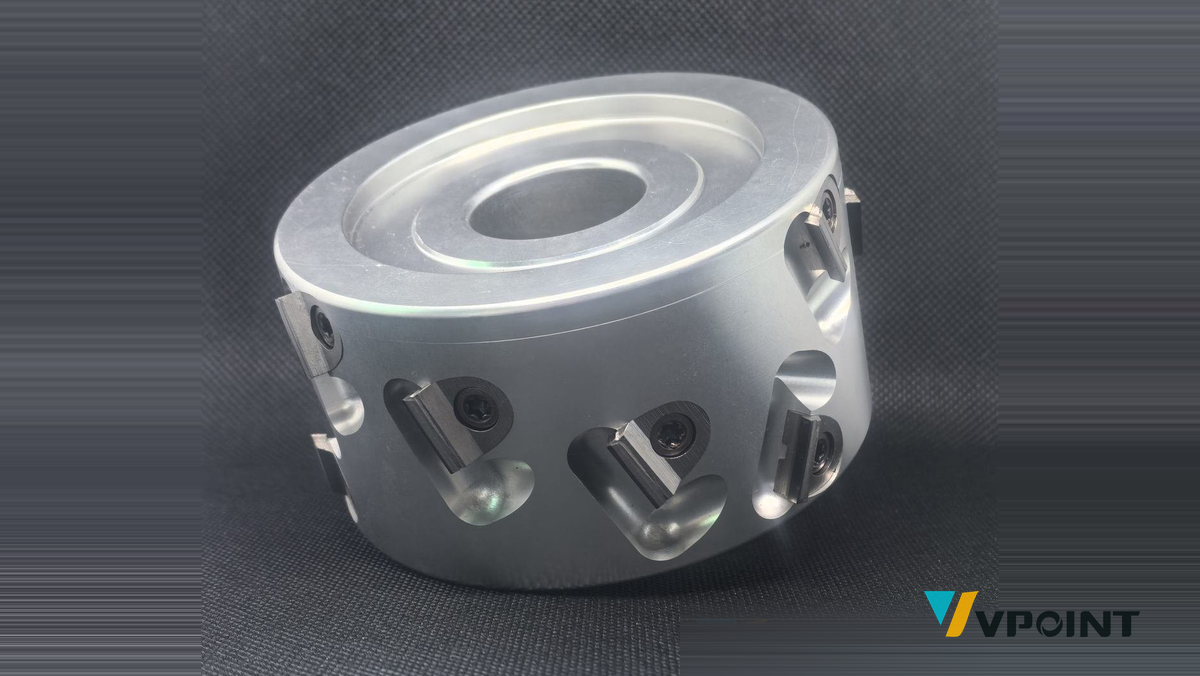
Short answer: a beaded face frame needs one matched profile cutter used at a fixed reference face. Set the fence once, keep the rail and stile on the same datum, and take a light finishing pass so the bead stays crisp across the whole frame.
Where the bead is lost
Most beading problems come from a moved fence or a workpiece that lifts during the pass. Clamp a consistent reference face, support long rails, and check the profile cutter for resin build-up before each batch.
Tooling
Insert or PCD profile cutterheads hold the bead geometry over long runs. Premill and tracking heads clean the panel edge first, which keeps the visible profile line even. Rotate to a fresh edge before finish quality drops.
Parameters
RPM and feed figures in our guides are standard reference values for guidance only — confirm against your spindle and cutter diameter. Related: Woodworking Tool Selection Guide.
Sources & references
Topic reference (rewritten in VPOINT wording, not reproduced): Amana Tool. “Constructing a Beaded Face Frame.” Amana Tool: Woodworking Articles, www.amanatool.com/articles/post/constructing_a_beaded_face_frame. Accessed 10 Nov. 2026.