
- PCD Tools For Wood
- Replaceable Insert Router Bits
- CNC End Mill
- Cutter Head
- Woodworking Tools
- Industries Knives
- Carbide Burr
- Carbide Rotary Burr
- Tungsten Carbide Burr Bits
- Tungsten Carbide Burr Set
- Cylindrical Carbide Burr
- Long Shank Carbide Burr
- Double Cut Carbide Burr
- Flame Carbide Burr
- Cone Carbide Burr
- Burr Blanks
- Carbide Rods
- Tire Reamer Bit
- Tungsten Carbide End Mill
- Carbide Tire Studs
- Snow Tire Studs
- ATV Tire Studs
- Motorcycle Tire Studs
- Mining & Oiling
How to Avoid Tear-Out When Routing with Templates

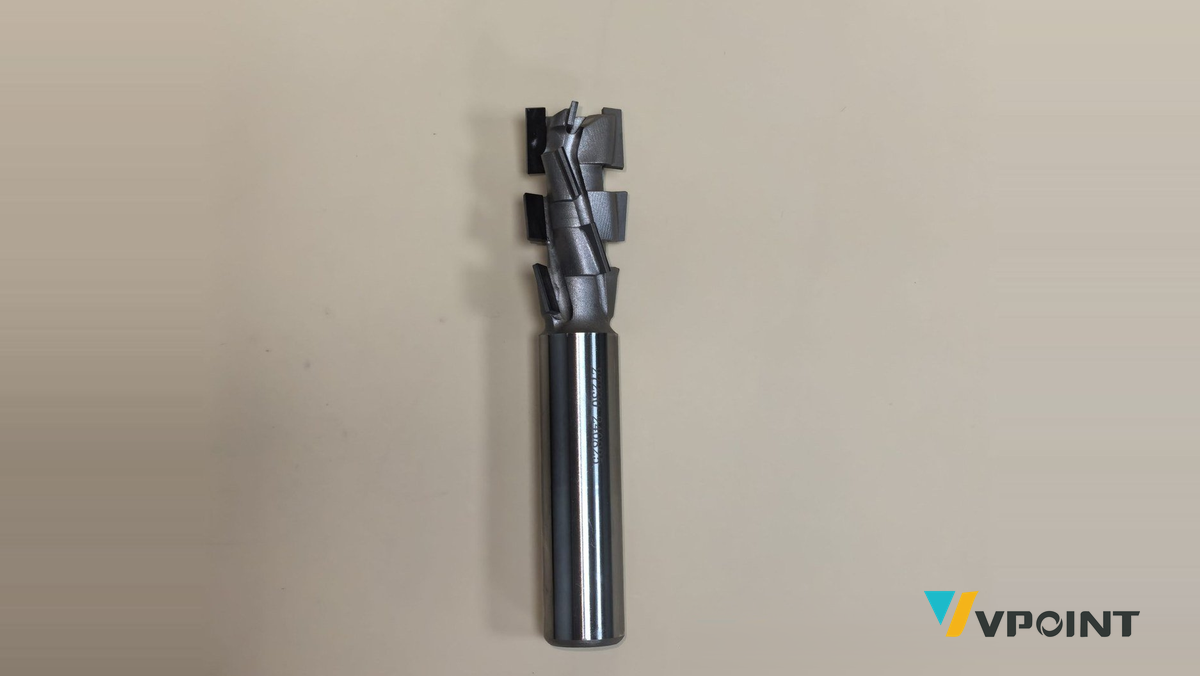
Short answer: template-routing tear-out comes from lifting the surface fibres faster than the bit shears them. Use a compression or downcut spiral for the final pass, keep the template firmly supported, and take a light finishing cut with a sharp edge.
Why the top face chips
When a router bit follows a template, the outer veneer of plywood or melamine is unsupported at the moment of exit. An upcut spiral pulls fibres upward, so brittle face veneers break instead of shearing. A compression spiral presses the top fibres down and the bottom fibres up, keeping both faces clean.
Three practical checks before the final pass
First, confirm the template is clamped flat and the bearing or guide bushing runs smoothly — chatter shows up as chipped edges. Second, leave a thin skin of material and remove it in one light finishing pass. Third, rotate reversible insert knives to a fresh edge before the finishing pass; dull edges crush fibres rather than cutting them.
Parameters and limits
RPM and feed figures in our selection guides are standard reference values for guidance only — confirm against your spindle, bit diameter and workpiece. For production advice, see the Woodworking Tool Selection Guide or send your setup to our engineers on WhatsApp.
Sources & references
Topic reference (rewritten in VPOINT wording, not reproduced): Amana Tool. “How to avoid tearout when routing with templates.” Amana Tool: Woodworking Articles, www.amanatool.com/articles/post/template-routing. Accessed 10 Nov. 2026.