
- PCD Tools For Wood
- Replaceable Insert Router Bits
- CNC End Mill
- Cutter Head
- Woodworking Tools
- Industries Knives
- Carbide Burr
- Carbide Rotary Burr
- Tungsten Carbide Burr Bits
- Tungsten Carbide Burr Set
- Cylindrical Carbide Burr
- Long Shank Carbide Burr
- Double Cut Carbide Burr
- Flame Carbide Burr
- Cone Carbide Burr
- Burr Blanks
- Carbide Rods
- Tire Reamer Bit
- Tungsten Carbide End Mill
- Carbide Tire Studs
- Snow Tire Studs
- ATV Tire Studs
- Motorcycle Tire Studs
- Mining & Oiling
Deep Mortise and Long Tenon Joinery: Cutterhead Setup Notes

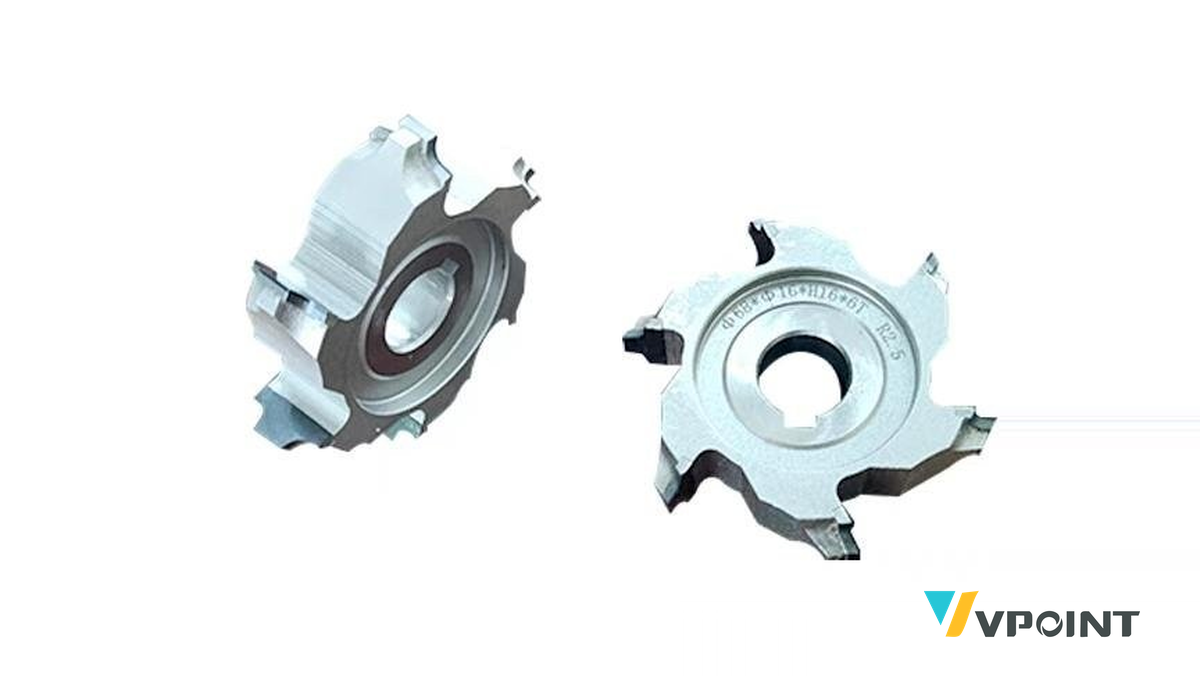
Short answer: deep mortise-and-tenon work needs a cutterhead that holds its cutting diameter through the whole batch. Use staggered insert or helical heads, check the fence and stop settings, and rotate knives before edge wear changes the tenon thickness.
Why cutting diameter matters
A tenon that is a fraction too thin loosens the joint; one that is too thick splits the mortise. Helical cutterheads with staggered inserts cut with a shearing action, reduce noise and keep a constant cutting diameter when an edge is rotated. Tracking and trimming cutterheads handle the shoulder and face cleanup.
Setup checklist
Verify the fence is parallel, the stop blocks are fixed, and the workpiece is supported through the full pass. Take a test cut in the same species and measure the tenon before running the batch. Keep RPM and feed within the machine and cutterhead limits — published values are standard reference values for guidance only.
Related reading
See the Woodworking Tool Selection Guide and the Resources hub for parameter tables and terminology.
Sources & references
Topic reference (rewritten in VPOINT wording, not reproduced): Amana Tool. “Deep Mortise and Long Tenon Cabinet Doors.” Amana Tool: Woodworking Articles, www.amanatool.com/articles/post/mortise_tenon. Accessed 10 Nov. 2026.