
Applications of KY carbide PCD Tools in Woodworking

- Edge Profiling
PCD router bits from KY Carbide are ideal for precise edge profling, which is essential in cabinetry, molding, and custom furniture-making. The fine, sharp cutting edges ensure smooth, clean profiles. - Panel Sizing
For those cutting large panels of plwood, MDF, or laminate, PcD saw blades provide the precision and longevity needed to make quick
accurate cuts without dulling over time. - Grooving and Slotting
PCD router bits are also perfect for creating grooves and slots in woodworking projects, offering superior cutting performance andsmooth finishes. - General WoodworkingPCD tools can be used in a wide range of other woodworking applications,such as shaping, sanding, and trimming, making them aversatile addition to any workshop.
The Future of PcD Tools in WoodworkingAs demand for higher.quality cuts and faster production speeds continues to grow, PcD tools are poised to become the industrystandard in many sectors of woodworking. The long lifespan, superior performance, and precision make them indispensable for highvolume manufacturers and professional woodworkers. In the future, advancements in PcD technology may even improve the toolscutting speed and performance, making them even more efficient and cost-effective
Conclusion
KY Carbide PcD tools represent the pinnacle of woodworking tool technology. Their superior durability, precision, and versatility makethem a top choice for protessionals in the woodworking industry. With PcD tools, woodworkers can improve their productivity. reducemaintenance costs, and achieve cleaner, more accurate cuts, making them an exce ent investment for any workshop
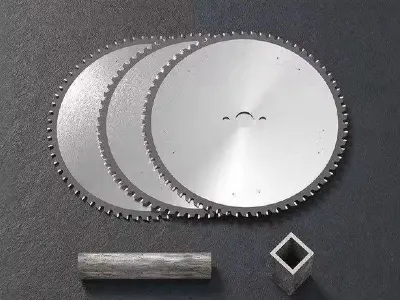
Advantages of Cold Saw Blades:
Clean, smooth Cuts: Cold saw blades produce precise, clean cuts with minimal burrs and heat distortion. This makes them ideal forapplications where high-quality, precise cuts are essential.Reduced Heat Build-Up: One of the most significant advantages of cold saws is their ability to cut with minimal heat. This preventsmaterial from warping or discoloring, which is especialy crucial when working with high carbon steel or other heat-sensitive metalsLonger Tool life: since cold saw blades don’t generate excessive heat during cuting, they experience less wear and tear. This means thatcold saw blades generally have a longer tool life compared to regular saw blades.deal for Tough Materials: Cold saws are specifically designed for cutting tough materials such as high carbon steel, stainless steel, alloysand non-ferrous metals making them a ao-to choice for industrial applications in industries ike automotive, construction, angmetalworking.
Better Precision: With the ability to make precise cuts and minimal distortion, cold saw blades are perfect for applications where highaccuracy is required, such as structural cutting or precision machining.
What is a Regular Saw Blade?
A regular saw blade, on the other hand, is a denera-purpose cuting tool used for a variety of materials, such as wood, plastic, and lightmetals. These blades are typically designed to operate at higher speeds, generating more friction and heat during the cutting process
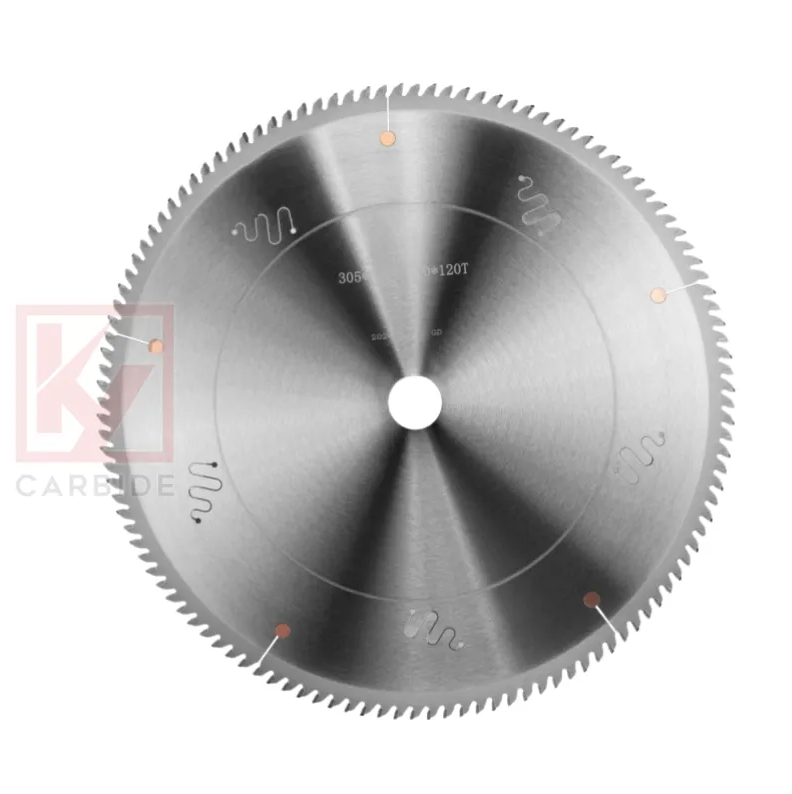
Advantages of Regular saw Blades:
Faster Cutting speed: Regular saw blades are designed to operate at higher speeds, which makes them more efficient for cuting softematerials like wood, plywood, and plastic.Cost-Effective: Regular saw blades are generally more affordable than cold saw blades, making them a good ootion for evervday cuttinctasks, particularly in woodworking and light-duty metalworking.Versatile: Regular saw blades are versatile and can be used for a wide range of materials. Whether you’re cutting wood, plastic, or non.ferrous metals, regular saw blades are a reliable option for most general cutting needsIdeal for Softer Materials: Regular saw blades are perfect for woodworking and plastic cutting, as well as light-duty cutting in theconstruction and Dly sectors.
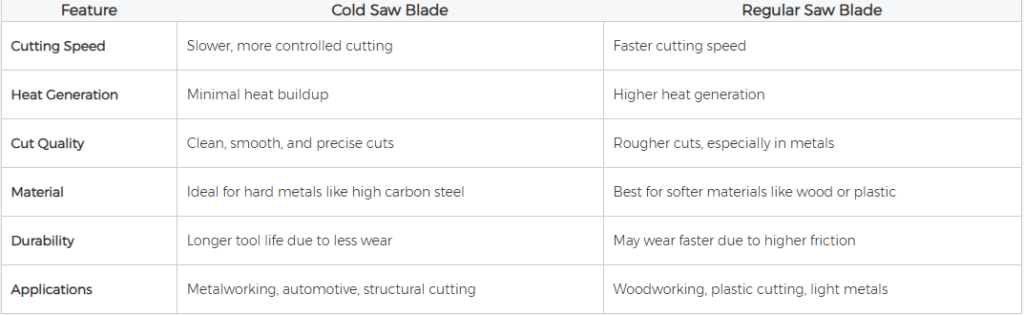
Cold Saw Blade vs. Regular Saw Blade: Key Differences
When to Use a Regular Saw Blade:
When cutting softer materials such as wood, plastic, or non-ferrous metals
For quick, general-purpose cuts where precision is not as critical.When working on DlY projects, woodworking, or construction tasks that don’t require specialized toolsFor budaet-friendly cutting solutions that don’t require the durability or precision of a cold saw blade.Conclusion: Which Blade is Right for You?
Choosing between a cold saw blade and a regular saw blade depends on the material you’re cutting and the precision you require. lfyou’re working with tough metals and need clean, accurate cuts with minimal heat, a cold saw blade is your best bet. However, if you’recutting softer materials and speed is more important than precision, a regular saw blade will be suficient for your needs.Understanding these diferences can help you choose the right blade for your specific application, ensuring you get the best results every
unn